Scoliosis
Learn about the symptoms, diagnosis, and treatment options for scoliosis.
Scoliosis is a condition characterized by a sideways curvature of the spine that often develops during childhood or adolescence but can also occur in adults. While some spinal curves are mild and require only observation, others may progress and lead to pain, postural changes, reduced mobility, or breathing difficulties. At Orthopaedic Associates of Wisconsin, our spine specialists offer personalized treatment plans designed to help patients manage symptoms and improve quality of life.
What Is Scoliosis?
Scoliosis occurs when the spine curves abnormally, typically in an “S” or “C” shape when viewed from behind. The condition can affect children, adolescents, and adults and varies significantly in severity.
Types of Scoliosis
Idiopathic Scoliosis
The most common form of scoliosis, often developing during adolescence without a known cause.
Congenital Scoliosis
Present at birth due to abnormal spinal development.
Neuromuscular Scoliosis
Associated with conditions such as cerebral palsy, muscular dystrophy, or spinal cord disorders.
Degenerative Scoliosis
Develops in adults as a result of age-related changes in the spine.
Symptoms of Scoliosis
Symptoms vary depending on the severity of the curve and the patient’s age.
Common Signs and Symptoms
- Uneven shoulders
- One shoulder blade appearing more prominent
- Uneven hips or waistline
- Leaning to one side
- Back pain
- Muscle fatigue
- Reduced flexibility
- Difficulty standing for extended periods
Symptoms in Adults
Adults with scoliosis may experience:
- Chronic back pain
- Leg pain due to nerve compression
- Balance difficulties
- Progressive spinal deformity
- Reduced physical function
Causes and Risk Factors
The exact cause of scoliosis is often unknown, but several factors may contribute.
Risk Factors
- Family history of scoliosis
- Female sex
- Congenital spinal abnormalities
- Neuromuscular conditions
- Aging and spinal degeneration
How Is Scoliosis Diagnosed?
A comprehensive evaluation is essential to determine the severity of the spinal curve and guide treatment recommendations.
Physical Examination
Your physician may evaluate:
- Posture and spinal alignment
- Shoulder and hip symmetry
- Range of motion
- Neurological function
Imaging Studies
X-Rays
Used to measure spinal curvature and monitor progression.
MRI
May be recommended when nerve compression or other spinal conditions are suspected.
Treatment Options for Scoliosis
Treatment depends on age, symptoms, and curve severity.
Observation
Mild curves may only require periodic monitoring.
Bracing
In growing adolescents, bracing may help prevent curve progression.
Physical Therapy
Targeted exercises can improve flexibility, strength, posture, and function.
Pain Management
Treatment options may include:
- Anti-inflammatory medications
- Activity modification
- Therapeutic exercise
- Injections when appropriate
Scoliosis Surgery
For severe or progressive curves, surgical treatment may be recommended.
Spinal Fusion
Spinal fusion is the most common surgical procedure used to stabilize the spine and prevent further progression.
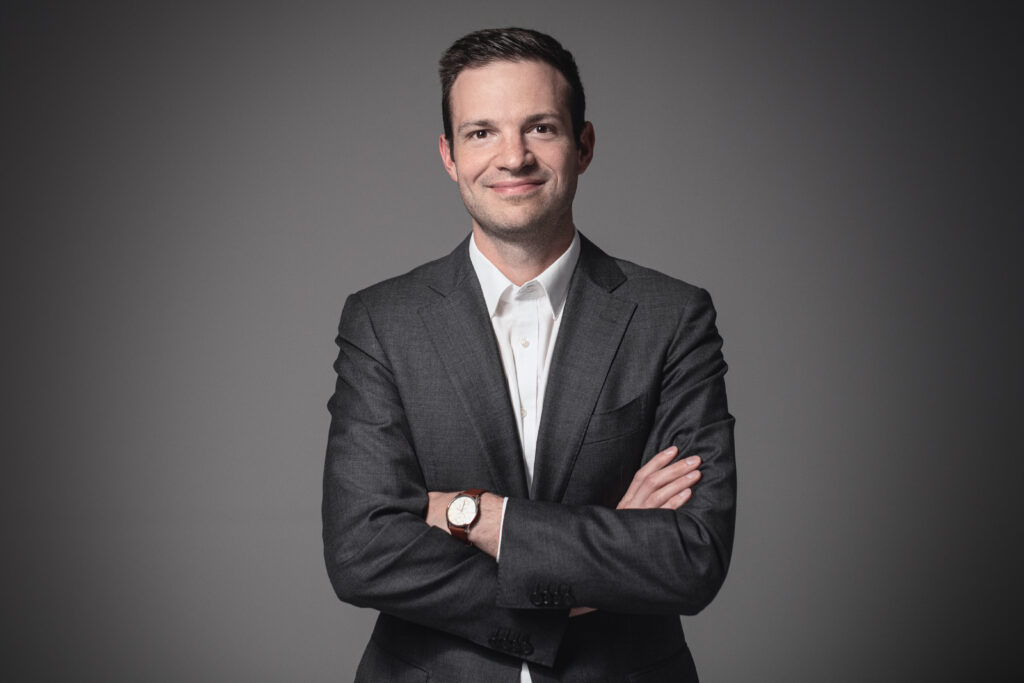
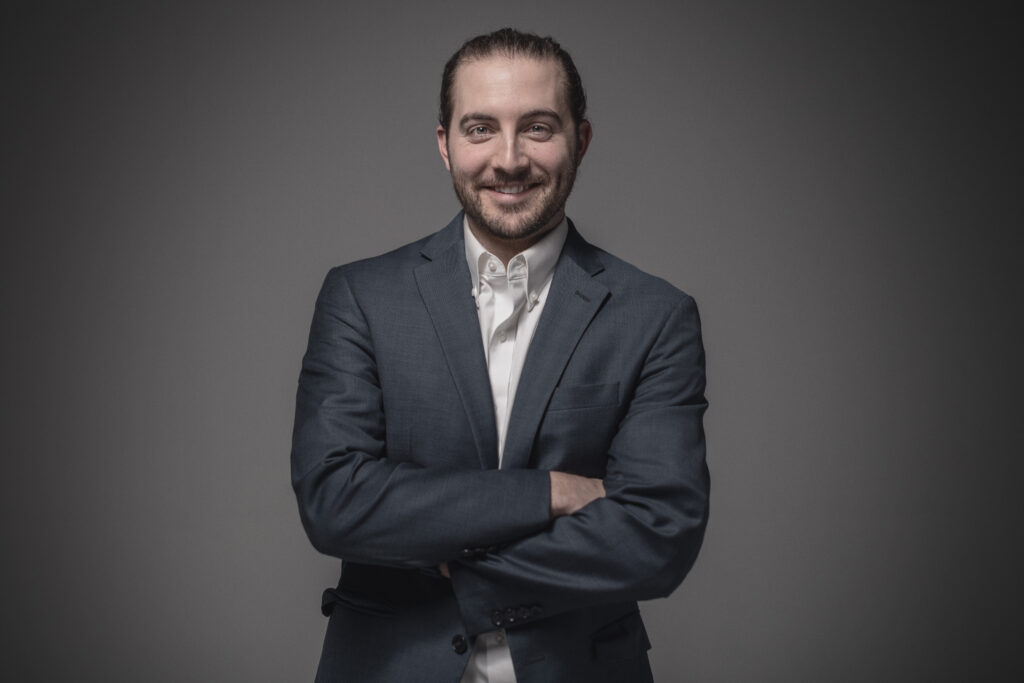
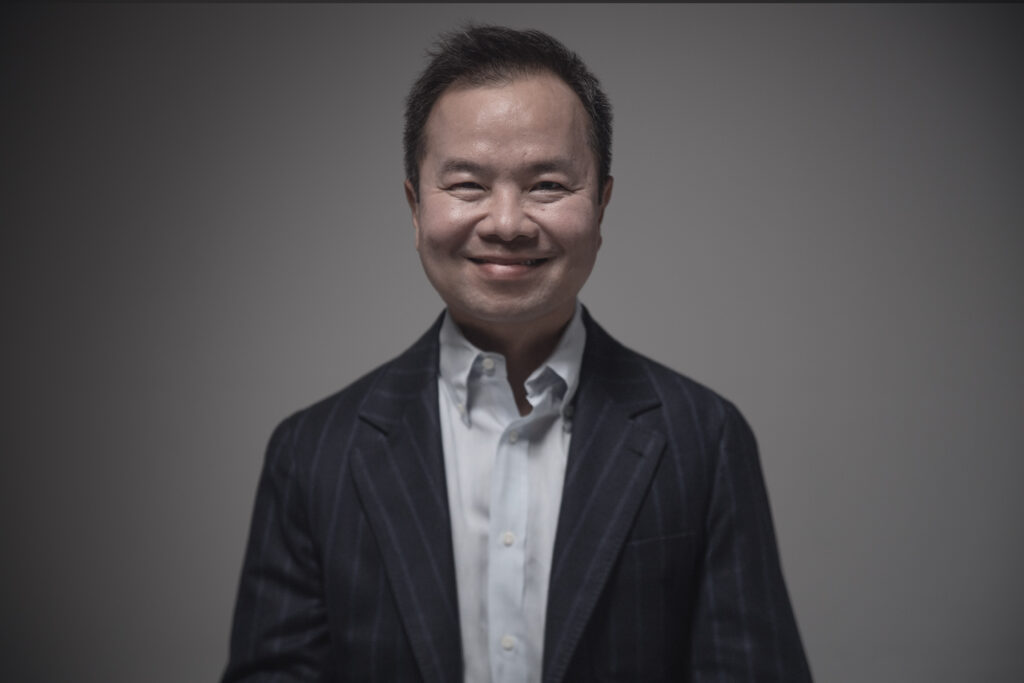
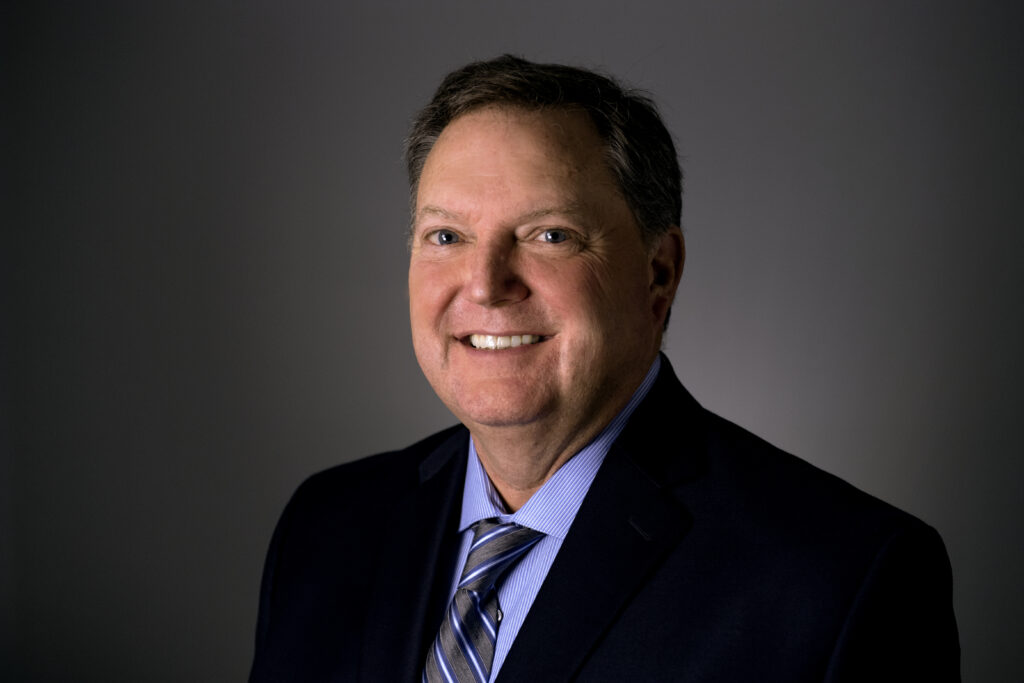
OUR BACK, NECK AND SPINE SPECIALISTS
Specialties:
Sports Medicine, Knee, Hip, Shoulder, Spine, Foot & Ankle, Elbow, Hand & Wrist
Ready to Take the Next Step Toward Relief?
If you’re experiencing persistent back or neck pain, don’t wait to seek relief. Our team of spine specialists is ready to help you find answers and explore treatment options that work. Schedule an appointment today and take the first step toward a pain-free, more active life.