Knee or hip pain can start gradually and become a daily burden. If you are wondering whether it is time to consider joint replacement surgery, you are not alone.
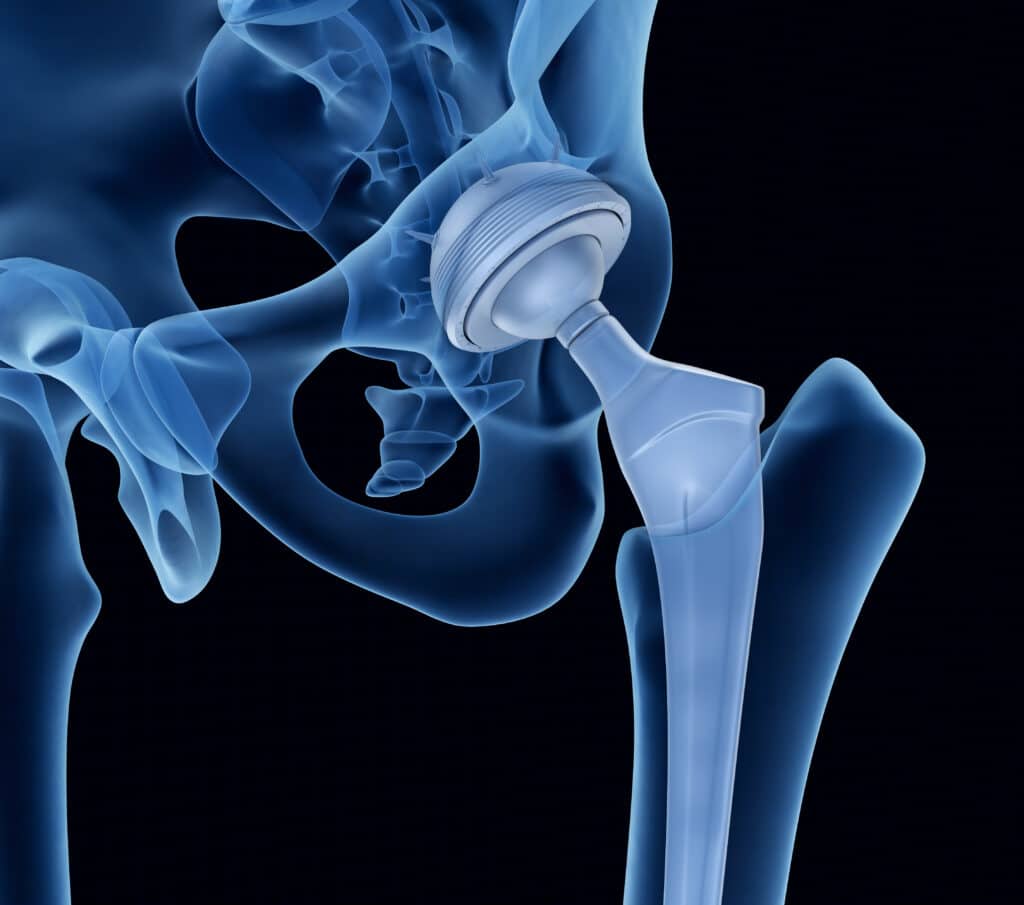
Most knee and hip replacement procedures are performed for osteoarthritis, a condition in which the protective cartilage in the joint wears down over time. As cartilage thins, the joint space narrows, inflammation increases, and movement becomes more painful and restricted.
Here are the most common signs you may need a joint replacement.
1. Pain That Limits Your Daily Life
Occasional soreness is common. Ongoing pain that interferes with everyday activities is not.
You may need to consider a knee or hip replacement if you have:
- Pain with walking, climbing stairs, or standing for long periods
- Difficulty getting in and out of a car or chair
- Avoidance of exercise, travel, or social events due to joint pain
- Increasing reliance on railings, furniture, or support for balance
If you are planning your day around pain, it is time to get evaluated.
2. Conservative Treatments Are No Longer Helping
Joint replacement is typically considered after non-surgical treatments have been tried, including:
- Physical therapy
- Anti-inflammatory medications (when appropriate)
- Corticosteroid injections
- Activity modification
- Weight management and strengthening
If you have tried these options and still experience persistent knee or hip pain, it may be time to discuss surgical solutions.
Many patients begin searching “when to get a knee replacement” or “do I need a hip replacement” after months or years of limited relief.
3. Stiffness and Loss of Range of Motion

Stiffness is one of the most common symptoms of knee and hip replacement.
As arthritis progresses, cartilage loss and joint space narrowing can lead to:
- Difficulty bending or fully straightening the knee
- Trouble rotating the hip or putting on shoes and socks
- Grinding sensations during movement (crepitus)
- Catching or a stiff, “stuck” feeling in the joint
Loss of motion affects both comfort and function. When your joint does not move properly, daily tasks become harder, and your walking pattern may change, increasing fatigue and instability.
4. Pain at Rest or at Night

In early arthritis, pain usually occurs with activity. As joint damage becomes more advanced, pain may occur:
- While sitting or resting
- With simple position changes
- At night, waking you from sleep
Joint pain at night is a common sign of advanced arthritis and one of the biggest reasons patients seek evaluation. Sleep disruption can significantly impact overall health and quality of life.
5. Swelling or Instability
You may also notice:
- Persistent or recurring swelling
- A knee that feels like it may buckle or give out
- Increased instability on uneven surfaces
These symptoms suggest the joint is no longer functioning smoothly and safely.
You Do Not Have to “Wait Until It Is Unbearable”
A common misconception is that you must wait until pain is extreme before considering joint replacement surgery. In reality, the right time is when your symptoms consistently interfere with your mobility, independence, and overall well-being.
An orthopedic evaluation typically includes a physical exam, imaging such as X-rays, and a discussion of your symptoms and goals. Not everyone with arthritis needs surgery, but understanding your options provides clarity and direction.
Take the Next Step
If knee or hip pain is limiting your life, you do not have to navigate it alone.
The orthopedic specialists at Orthopaedic Associates of Wisconsin provide comprehensive evaluations and personalized treatment plans, whether that means continued conservative care or exploring joint replacement surgery.
Schedule a consultation today to determine the cause of your pain and learn about the best path forward for you.