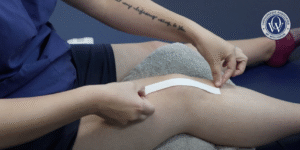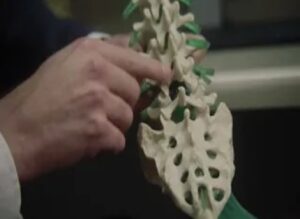

When temperatures drop and winter settles in, many people notice their joints start to feel stiffer, achier, or more painful. Cold weather can be especially challenging for those with arthritis, previous injuries, or chronic joint conditions. While winter itself does not cause joint damage, it can certainly make symptoms more noticeable.
The good news is there are practical ways to protect your joints and stay active even during the coldest months.
Why Do Joints Hurt More in Cold Weather?
Cold temperatures can cause muscles, tendons, and ligaments to tighten, increasing stiffness and limiting mobility. Changes in barometric pressure may also affect joints, particularly in people with arthritis or joint degeneration. In addition, people tend to move less in winter, and reduced activity can lead to increased stiffness and discomfort.
Tips to Keep Joints Healthy All Winter
Stay warm
Keeping your body and joints warm helps maintain flexibility and circulation. Dress in layers, wear gloves and warm socks, and consider joint supports or compression sleeves for added warmth and stability.
Keep moving
It may be tempting to stay sedentary when it is cold outside, but regular movement is key for joint health. Gentle activities like walking, stretching, yoga, or indoor strength training help keep joints lubricated and muscles strong.
Warm up before activity
Cold muscles are more prone to injury. Take a few extra minutes to warm up before exercising or doing outdoor activities. Light stretching and slow movements can reduce stiffness and lower the risk of strain.
Maintain strength and flexibility
Strong muscles support and protect joints. Incorporating low impact strength training and flexibility exercises into your routine can help reduce joint stress and improve overall function.
Watch for slips and falls
Snow and ice significantly increase the risk of falls, which can lead to fractures, sprains, and joint injuries. Wear supportive footwear with good traction and use caution on sidewalks, driveways, and parking lots. If you experience a sudden orthopedic injury from a fall, OrthoASAP provides convenient walk-in care for acute bone, joint, and muscle injuries so you can get evaluated quickly without an emergency room visit.
Stay hydrated and nourished
Hydration supports joint lubrication, and proper nutrition plays a role in joint health. A balanced diet with adequate protein, healthy fats, and anti-inflammatory foods can help support muscles and joints throughout the winter.
When to See an Orthopedic Specialist
Occasional stiffness or mild aches can be normal in cold weather. However, persistent pain, swelling, limited mobility, or pain that interferes with daily activities should not be ignored. An orthopedic specialist can help identify the cause of your symptoms and recommend treatment options to keep you moving comfortably year-round.
Keep Moving, Even in the Cold
Winter may bring bitter cold, but it does not have to bring joint pain that slows you down. With a few proactive steps and the right care, you can protect your joints, stay active, and enjoy the season safely.
If joint pain is holding you back this winter, our orthopedic team is here to help.