
Concussion Care
Orthopaedic Associates of Wisconsin provides comprehensive concussion care, including individualized return-to-play recommendations.
Concussions are common sports-related injuries that require prompt evaluation and careful management. Returning to school, work, or athletics too quickly can increase the risk of prolonged symptoms and further injury. Orthopaedic Associates of Wisconsin offers comprehensive concussion care using evidence-based protocols and advanced Sway testing technology to guide recovery and return-to-activity decisions.
What Is a Concussion?
A concussion is a mild traumatic brain injury caused by a blow to the head or body that disrupts normal brain function.
Common Causes
- Sports injuries
- Falls
- Motor vehicle accidents
- Workplace injuries
- Recreational activities
Signs and Symptoms of a Concussion
Physical Symptoms
- Headache
- Dizziness
- Nausea
- Sensitivity to light
- Sensitivity to noise
- Balance problems
Cognitive Symptoms
- Memory difficulties
- Confusion
- Slowed thinking
- Difficulty concentrating
Emotional Symptoms
- Irritability
- Mood changes
- Anxiety
Emotional Symptoms
- Increased fatigue
- Difficulty falling asleep
- Excessive sleepiness
What Is Sway Testing?
Sway is a mobile-based concussion assessment tool that helps providers evaluate neurological function.
What Sway Measures
- Balance
- Reaction time
- Cognitive processing
- Coordination
Benefits of Sway Testing
- Objective performance data
- Baseline comparisons when available
- Quick assessment
- Ongoing recovery monitoring
Concussion Evaluation
Medical History
Review of symptoms, injury details, and previous concussions.
Neurological Examination
An assessment of balance, coordination, vision, memory, and overall cognitive function.
Sway Assessment
Objective testing to help guide treatment recommendations.
What Is Concussion Baseline Testing?
A concussion baseline test is completed while an athlete is healthy and injury-free. It establishes an individualized snapshot of certain functions that can be affected by a concussion.
Depending on the assessment, testing may evaluate:
- Balance and stability
- Reaction time
- Memory
- Processing speed
- Cognitive function
- Concussion-related symptoms
If a concussion is suspected later, portions of the assessment may be repeated and compared with the athlete’s baseline results as part of a comprehensive concussion evaluation.
Baseline testing does not diagnose or prevent a concussion. Instead, it provides additional individualized information that healthcare professionals can use when evaluating an injury and monitoring recovery.
What to Expect at Your Baseline Testing Appointment
Baseline testing is designed to be a simple and convenient way for athletes to establish pre-injury measurements before their season begins.
Appointment details:
- Testing takes approximately 30 minutes
- Testing is administered under the supervision of an OAW Certified Athletic Trainer
- The cost is $40
- Baseline testing is not covered by medical insurance
- No concussion or previous head injury is required to schedule testing
Athletes should complete their baseline assessment when they are feeling healthy and are not currently experiencing concussion symptoms.
Why Get a Baseline Test?
Every athlete is different. A personal baseline gives healthcare providers information about an athlete’s normal performance before an injury occurs.
Baseline testing may provide:
- A personalized pre-injury reference point
- Objective balance and cognitive measurements
- Additional information following a suspected concussion
- Data that may support clinical decision-making during recovery
- Greater preparedness for athletes and families before the sports season
Baseline testing is not a substitute for a medical evaluation after a head injury. Any athlete with a suspected concussion should stop participating in sports and receive an appropriate concussion evaluation before returning to play.
Who Should Consider Baseline Concussion Testing?
Baseline testing may be particularly helpful for:
- Student-athletes
- Athletes participating in contact or collision sports
- Athletes preparing for an upcoming sports season
- Families who want pre-injury information available in case a concussion occurs
- Athletes looking to take a proactive approach to concussion care
The best time to establish a baseline is before an injury occurs, while the athlete is healthy and performing normally.
Concussion Treatment and Recovery
Early management includes both physical and cognitive rest to support recovery. Symptoms should also be monitored closely as healing progresses.
Return-to-Learn Guidance
Recommendations for safely returning to school or academic activities.
Return-to-Work Guidance
Individualized recommendations based on symptoms and job requirements.
Return-to-Play Protocol
Athletes progress through a stepwise return-to-play process under medical supervision.
OUR CONCUSSION CARE SPECIALISTS
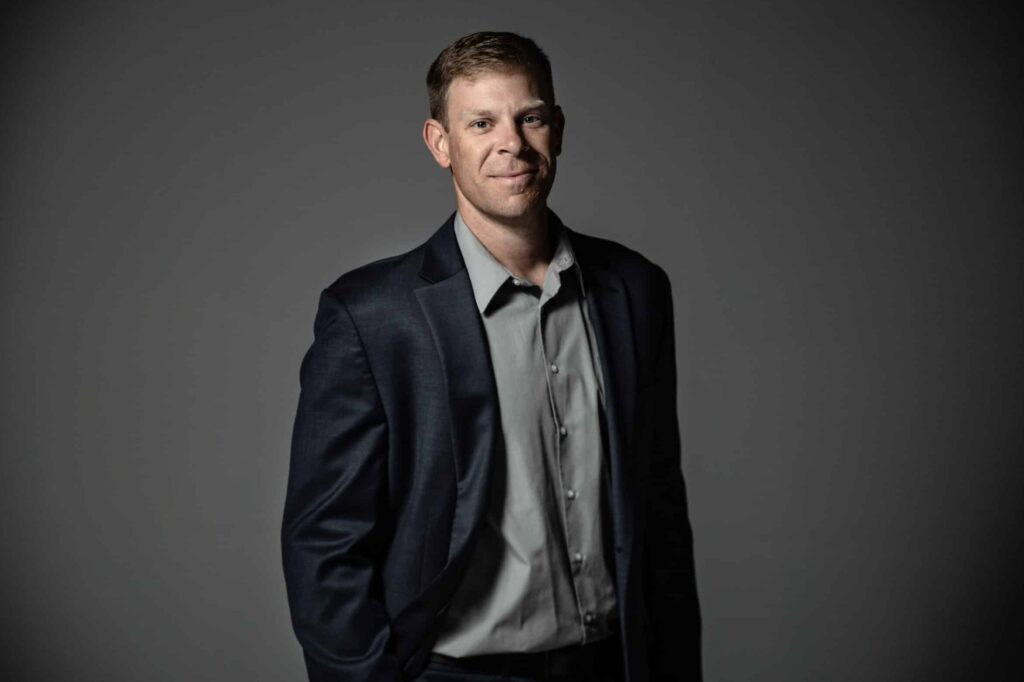
KOREY B. KASPER, MD
Specialties:
Sports Medicine, Non-Operative & Regenerative Orthopedic Care and Musculoskeletal Ultrasound
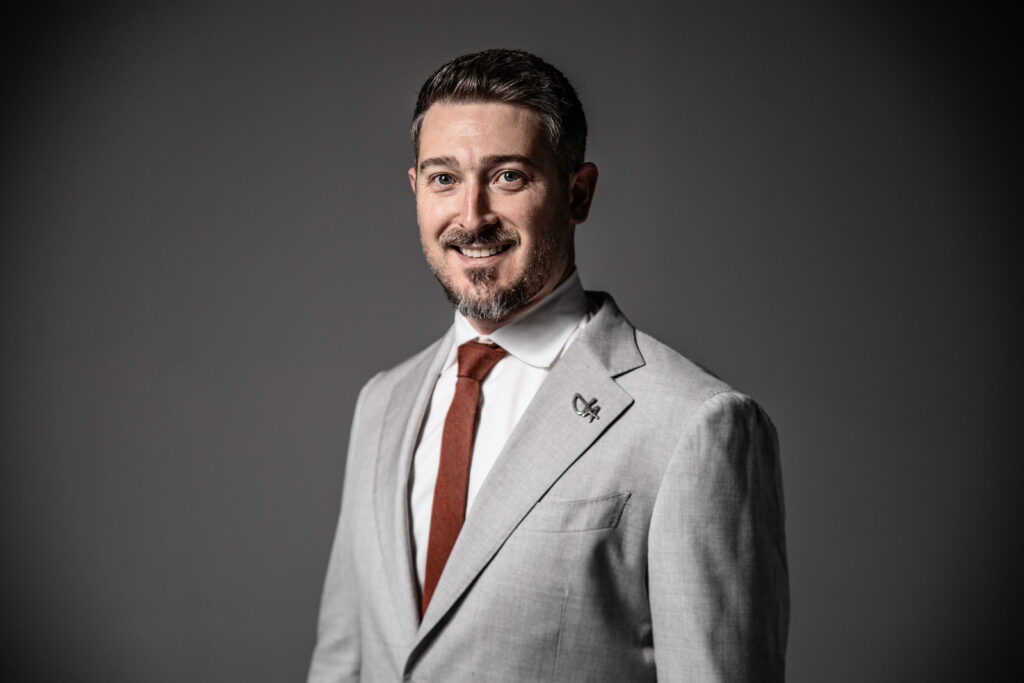
Nick Wilcox, MD
Specialties:
Sports Medicine & Non-Operative Orthopedic Care
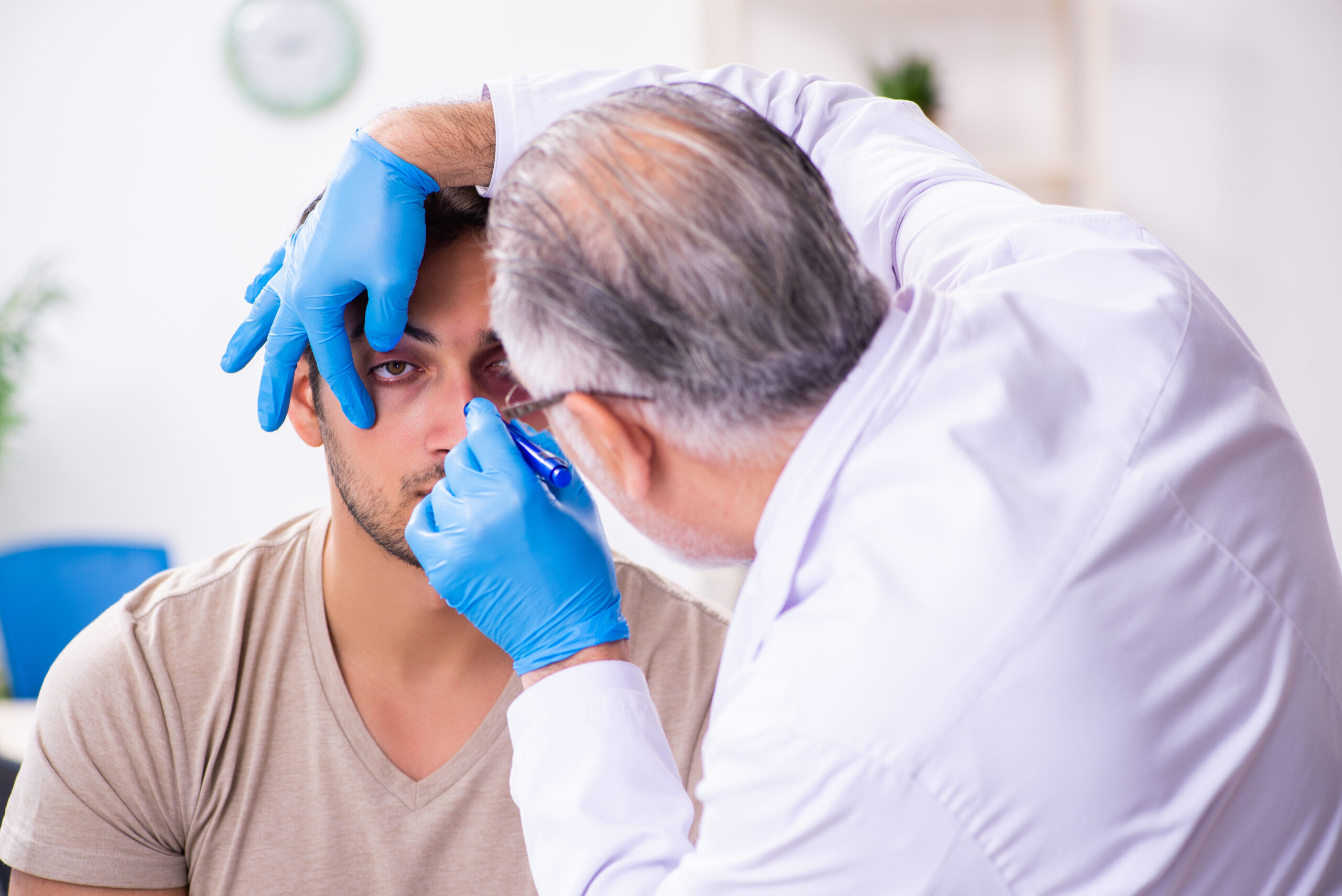
Comprehensive Care and Treatment of Concussions in Wisconsin
Our sports medicine specialists diagnose and treat a wide range of athletic injuries—from sprains, strains, and overuse conditions like tennis elbow to ligament tears, fractures, and joint instability. Whether you’re recovering from a sudden injury or managing chronic pain, we offer personalized, activity-focused treatment plans to restore strength, mobility, and performance.