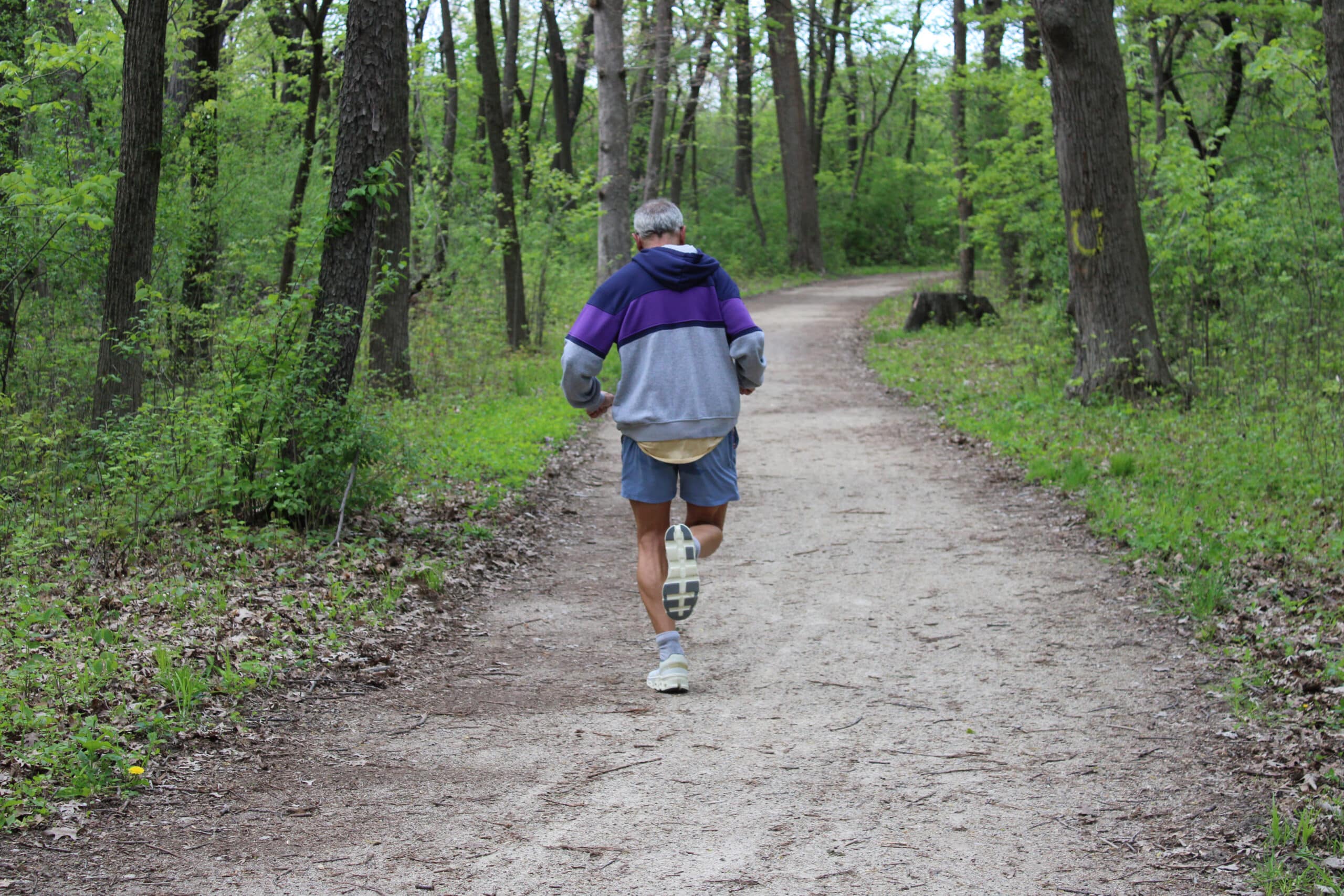
As the weather warms up, many runners are eager to trade treadmills and indoor tracks for sunshine, fresh air, and outdoor miles. While the transition back outside can feel exciting and motivating, it’s also one of the most common times of year for running-related injuries.
After months of indoor training, your body may not be fully prepared for the increased demands that outdoor running places on your muscles, joints, and tendons. Uneven surfaces, hills, wind resistance, and longer distances can all increase stress on the body. That’s why it’s important to ease back into outdoor running gradually and thoughtfully.
Don’t Increase Mileage Too Quickly
Many runners have heard of the “10% Rule,” which suggests increasing weekly mileage by no more than 10% at a time. While this guideline can still be helpful, it is no longer considered the gold standard because it only focuses on mileage and doesn’t account for intensity.
For example, adding speed work, hill training, or faster paces can place just as much stress on the body as increasing distance. Even if your mileage stays the same, changes in terrain or intensity can increase your injury risk if your body is not prepared.
Instead of focusing only on miles, pay attention to the overall workload your body is experiencing and give yourself time to adapt.

Tips for a Healthy Transition to Outdoor Running
Gradually Build Your Training
Ease into outdoor running by slowly increasing both mileage and intensity over time. If you’re training for an upcoming race, avoid the temptation to “catch up” too quickly.
Prioritize Recovery
Recovery techniques are just as important as the workouts themselves. Proper recovery helps reduce soreness, improve mobility, and decrease injury risk.
Some effective recovery tools include:
- Dynamic stretching before runs
- Muscle activation exercises
- Foam rolling
- Adequate sleep and hydration
- Rest and recovery days
Warm Up Before Every Run
A proper warm-up prepares your muscles and joints for activity and can improve running performance. Dynamic movements such as leg swings, walking lunges, glute bridges, and calf raises are great ways to activate key muscle groups before heading out.
Listen to Your Body
Small aches and pains can quickly turn into bigger injuries if ignored. Persistent discomfort is often your body’s way of signaling that something needs attention.
Specialized Running Care at OAW
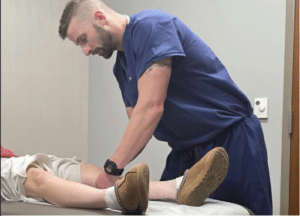
If you are experiencing nagging aches, pains, or recurring running injuries, the specialized running gait-trained therapists at Orthopaedic Associates of Wisconsin are here to help.
Our team can evaluate your running mechanics, identify movement patterns that may be contributing to pain, and create a personalized treatment and strengthening plan to help keep you moving safely and efficiently.
Whether you’re preparing for your first 5K, training for a marathon, or simply enjoying outdoor miles again, taking care of your body now can help you stay healthy all season long.
Request an appointment today: https://orthowisconsin.com/important-patient-information/request-an-appointment/